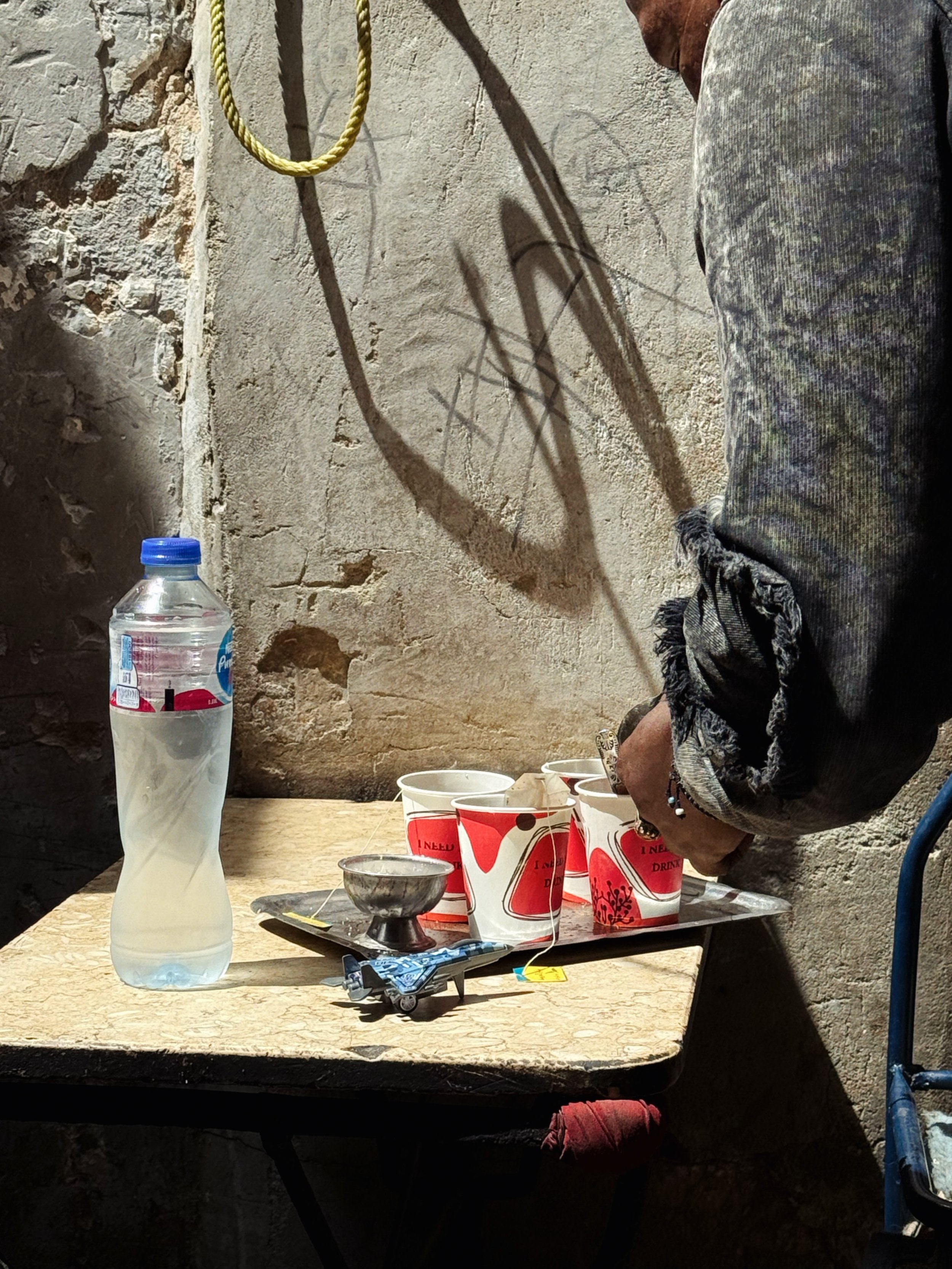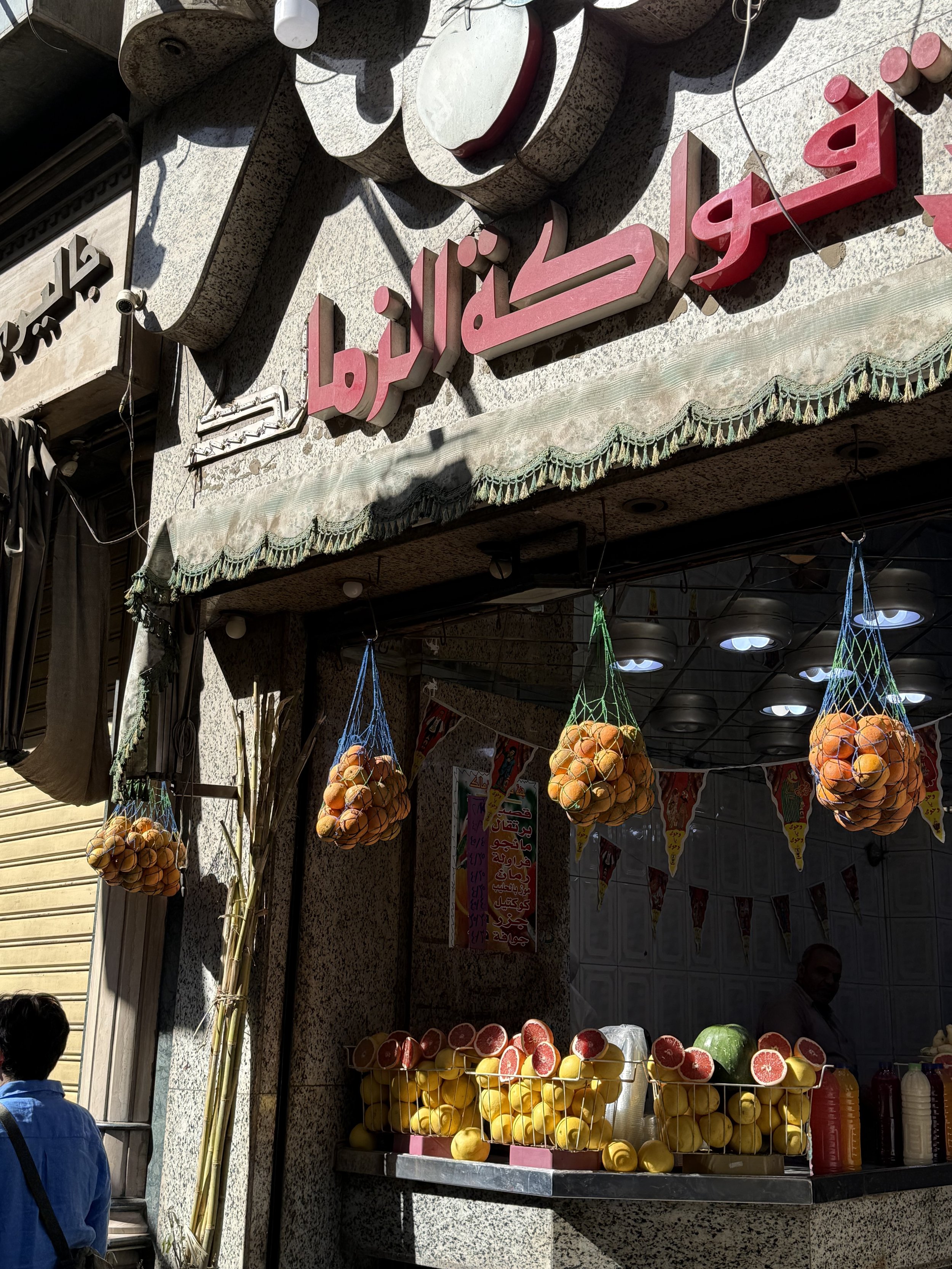

Let’s begin with the greatest cliché of them all: Beauty lies in the eye of the beholder. Few cities illustrate this better than Cairo.
Often dismissed as chaotic, noisy and overwhelming, the Egyptian capital rarely makes a perfect first impression. Yet beneath its disorder lies one of the most fascinating urban landscapes in the world: a city where ancient history, everyday life and faded grandeur coexist in ways that feel increasingly rare.
For art historian and gallerist Fanny Christoffersen, Cairo has been part of her life since childhood. Raised in a family with deep ties to the Middle East, she first visited the city at an early age, accompanying her parents on travels through the region. Today, she returns with her own family, drawn back by the same curiosity that first sparked her fascination with the histories, cultures and stories that places hold.
From historic hotels and atmospheric museums to old cafés and enduring institutions, these are the places that continue to shape her view of Cairo and the reason she keeps returning.
Stays:
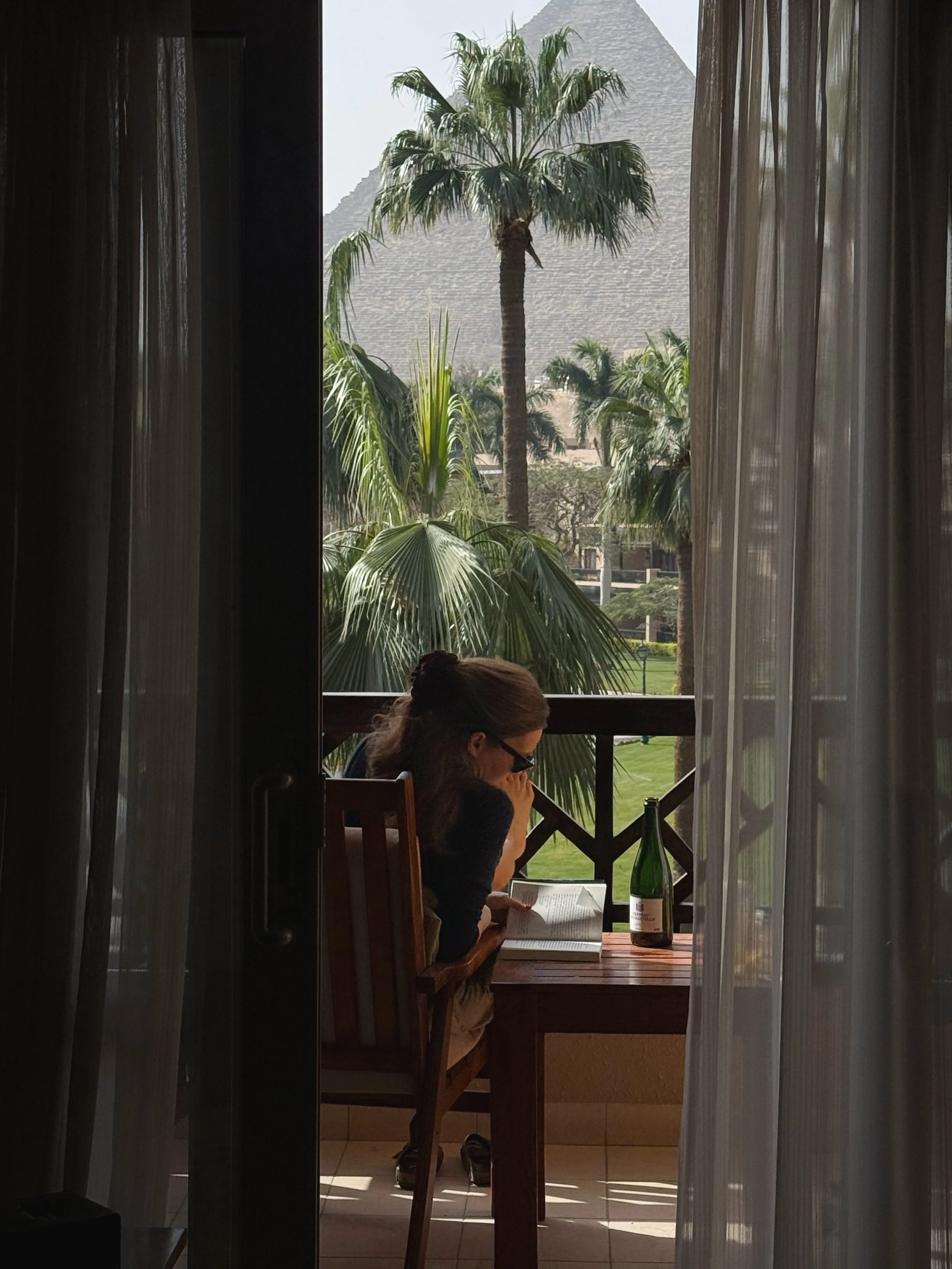
Address: 6 Pyramids Road, Giza
No first visit to Cairo is complete without seeing the pyramids. The experience can easily become hot, hectic and overwhelmingly touristy, so my best advice is to stay at the historic Mena House, which opened in 1883 and sits directly opposite the Great Pyramid of Giza.
Book a room overlooking the pyramid. Waking up to that view is almost impossible to describe.
Mena House is now operated by Marriott and has, unfortunately, lost some of its former charm. Even so, its location and views remain unlike anything else you are likely to experience.
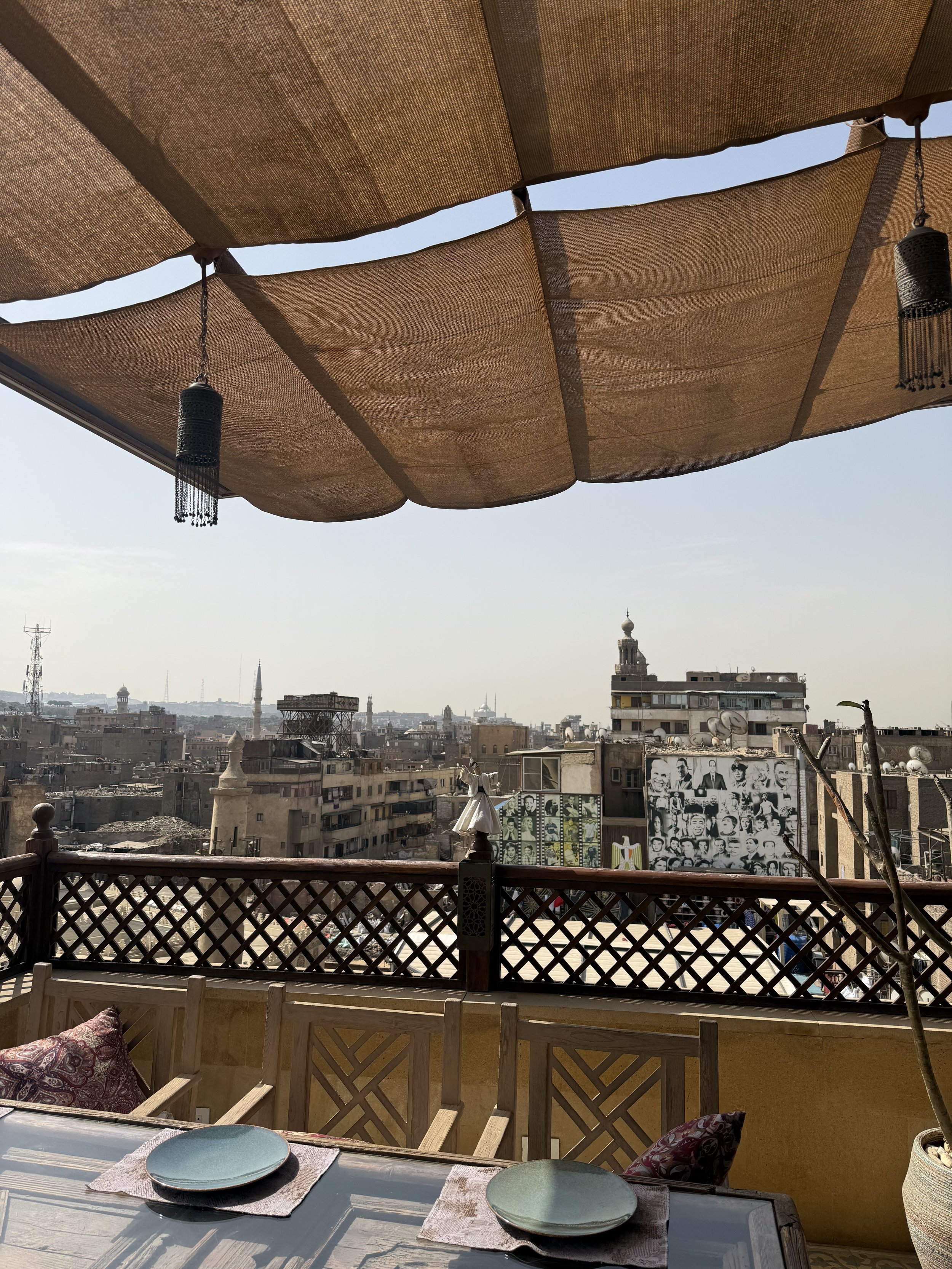
Address: 114 El Moez Street, Gamaleya district, opposite Beit El Sehemy
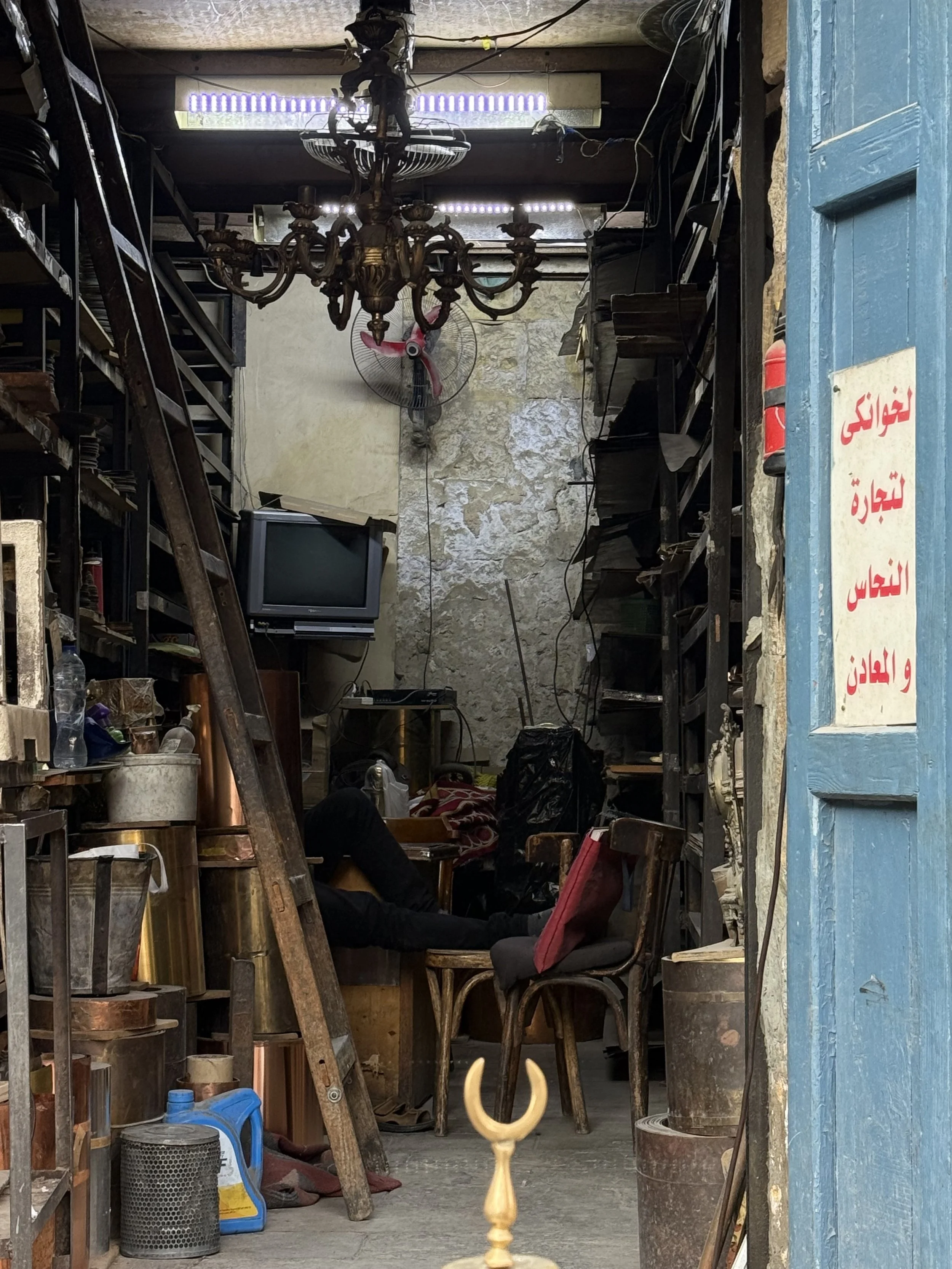
Enter Islamic Cairo through the historic Bab Zuweila gate and allow yourself to get lost in the surrounding streets. Amid the clanging of coppersmiths, tiny bookshops, rows of bathroom fittings, barbers and butcher shops, you will encounter the warmth of traditional Arab hospitality and the genuine kindness of Cairo’s residents.
In the heart of Al-Muizz Street stands my favourite hotel, Le Riad. It is a small boutique hotel with an abundance of character and a rooftop restaurant, Zeeyara, which is one of my favourite places to eat in the city.
Do not expect a peaceful night’s sleep, Cairo is rarely quiet, but the hotel more than makes up for it with charm, atmosphere and wonderful views. Have breakfast on the rooftop while the city slowly comes to life below you.
To see:
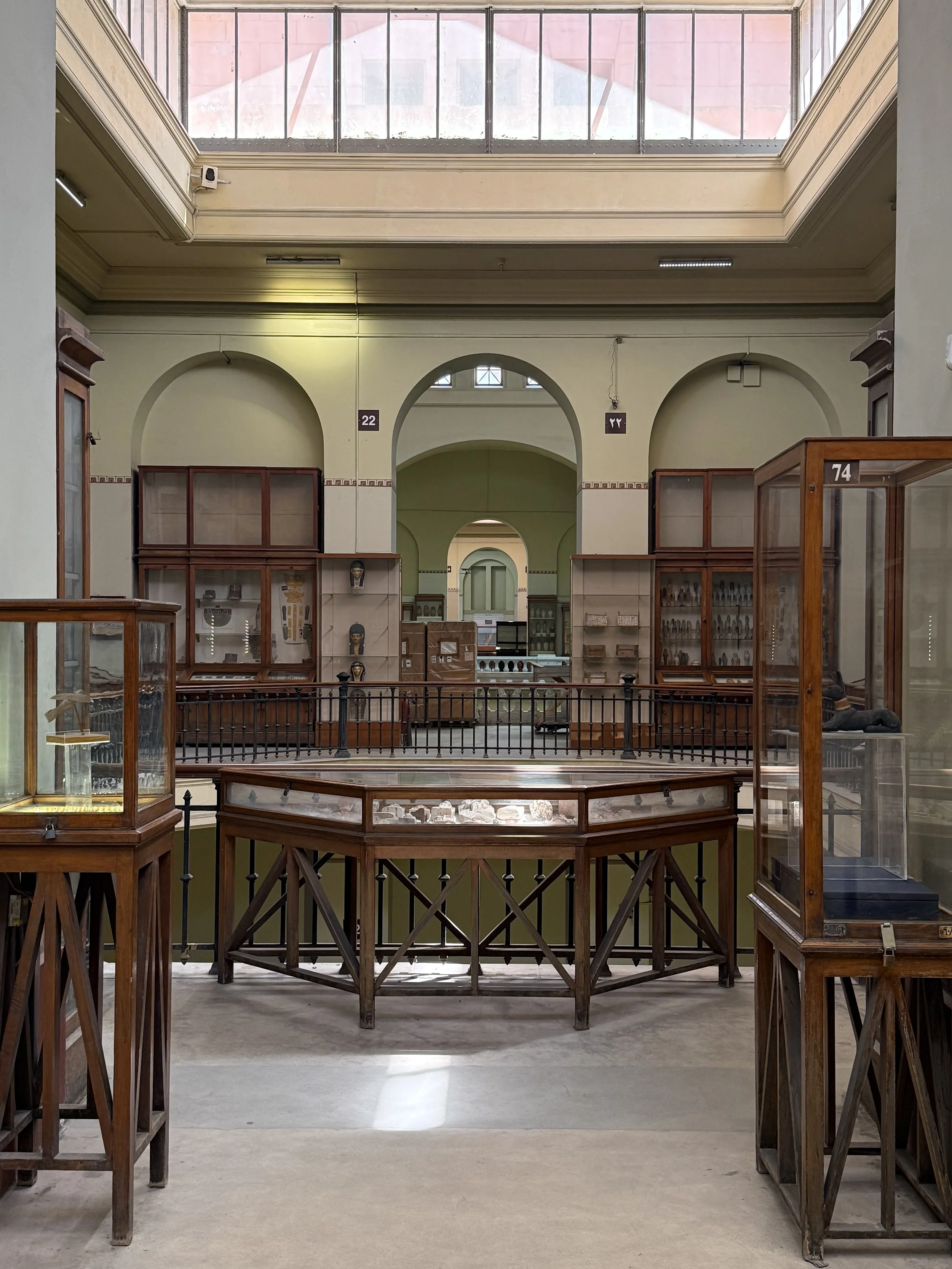
Address: North side of Tahrir Square, Downtown Cairo
The old Egyptian Museum is my favourite museum in the world. Its collection contains more than 170,000 objects spanning roughly 5,000 years of Egyptian history, from prehistoric times to the Late Period.
The building itself is painted in faded pink on the outside and in shades of pistachio green and deep reddish brown on the inside, with beautiful old wooden display cases filled with strange, wonderful treasures. I can spend hours wandering through its rooms, discovering new stories and taking in the beauty of its dust, disorder and gentle decay.
Although many major pieces have been transferred to the new Grand Egyptian Museum, including some of the treasures associated with Tutankhamun, the old museum should not be compared with its new and highly polished counterpart. They offer entirely different experiences.
Among my favourite objects are the collections of glass eyes, ancient slippers, beauty tools and small animal figurines used in burial rituals.
Keep an eye out for sculptures and figures of Anubis, the ancient Egyptian jackal-headed god associated with death and the afterlife. According to Egyptian mythology, Anubis guided souls into the next world and oversaw the weighing of the heart against a feather. A heart found to be heavier than the feather was devoured by Ammit, a terrifying creature with the head of a crocodile, the body of a lion and the hindquarters of a hippopotamus.
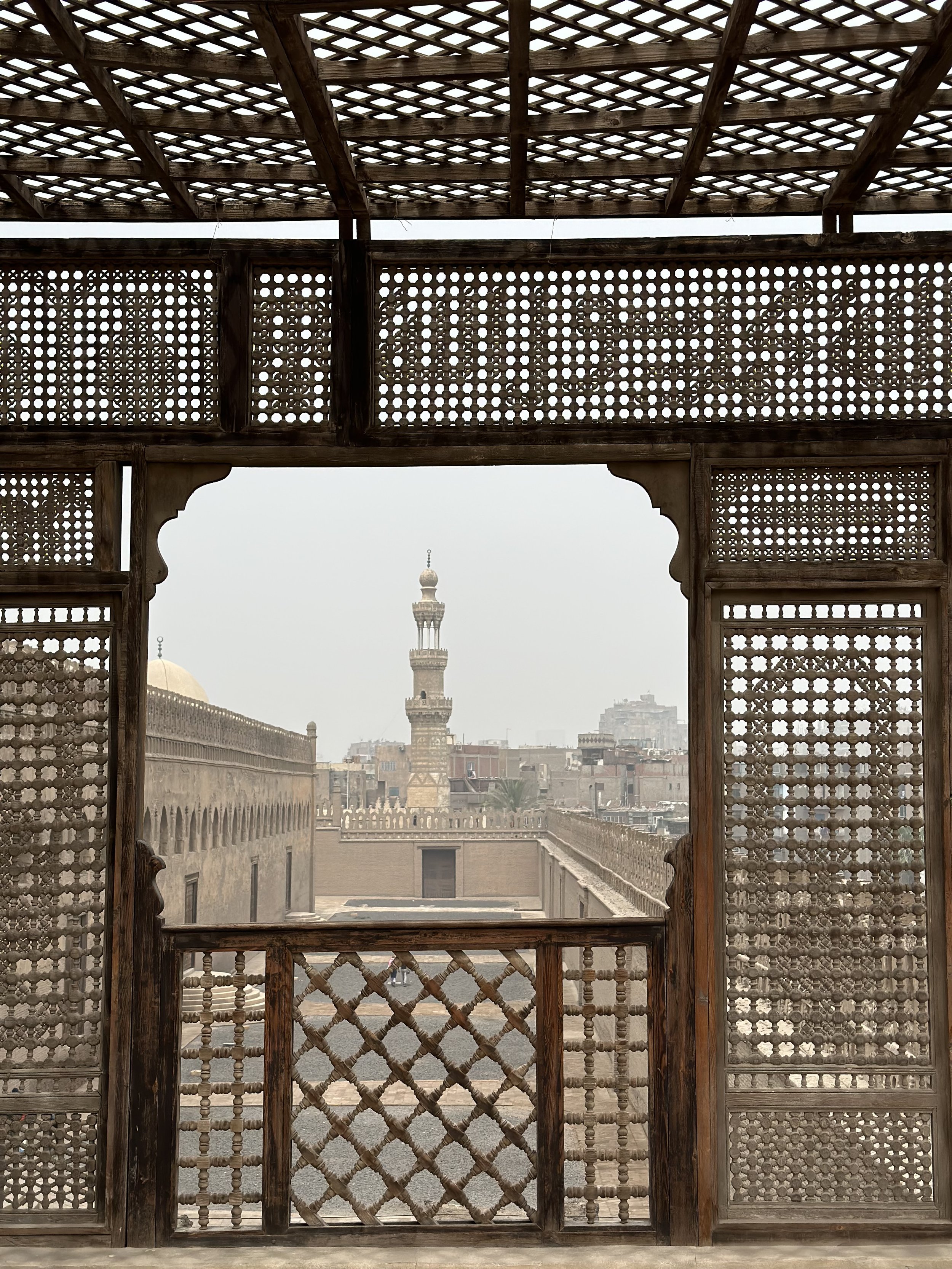
Address: Ahmed Ibn Tulun Street, off Abd al-Magid al-Labban Street
Perched above the city beside the Mosque of Ahmad ibn Tulun, the Gayer-Anderson Museum is one of Cairo’s most atmospheric places.
The house was once the home of Gayer-Anderson, an eccentric and charming Irishman who first arrived in Egypt as a doctor with the British Army. He later served in the Egyptian Army, eventually rising to the rank of major. After retiring in 1924, he lived on a houseboat on the Nile and devoted himself to collecting antiques.
The museum consists of two historic houses dating from the 16th and 17th centuries. Together, they form one of the finest surviving examples of a traditional Cairene residence.
Gayer-Anderson took over the property in 1935, carefully restoring the buildings and filling them with an extraordinary collection of art, furniture and antiquities. Some of his finest pieces eventually made their way to England, including objects now held by the British Museum.
When illness forced him to leave Egypt in 1942, he donated the house and its contents to the Egyptian people. King Farouk later honoured him with the title of Pasha, which he retained until his death in 1945.
The house is surrounded by legends, none of them dull. My favourite concerns its supposedly magical well. According to the story, lovers who gaze into the water will see the face of their beloved instead of their own reflection.
The rooftop terrace appeared in the James Bond film The Spy Who Loved Me.
From the terrace, there are magnificent views of the Mosque of Ibn Tulun, one of the oldest mosques in Egypt. Built between 876 and 879, it is one of Cairo’s most beautiful and impressive historic buildings.
Eat & drink:
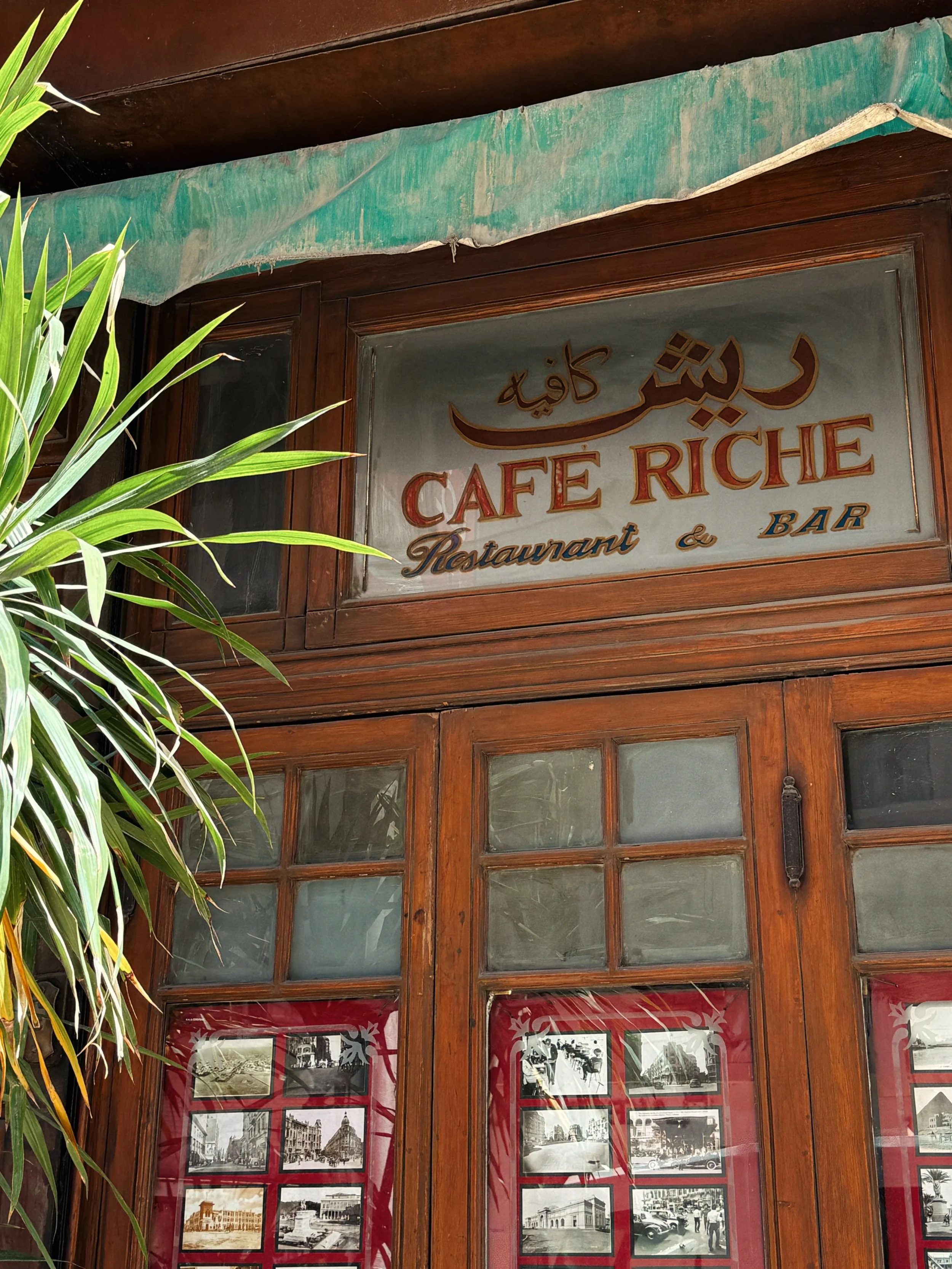
Address: 17 Talaat Harb Street, Downtown Cairo
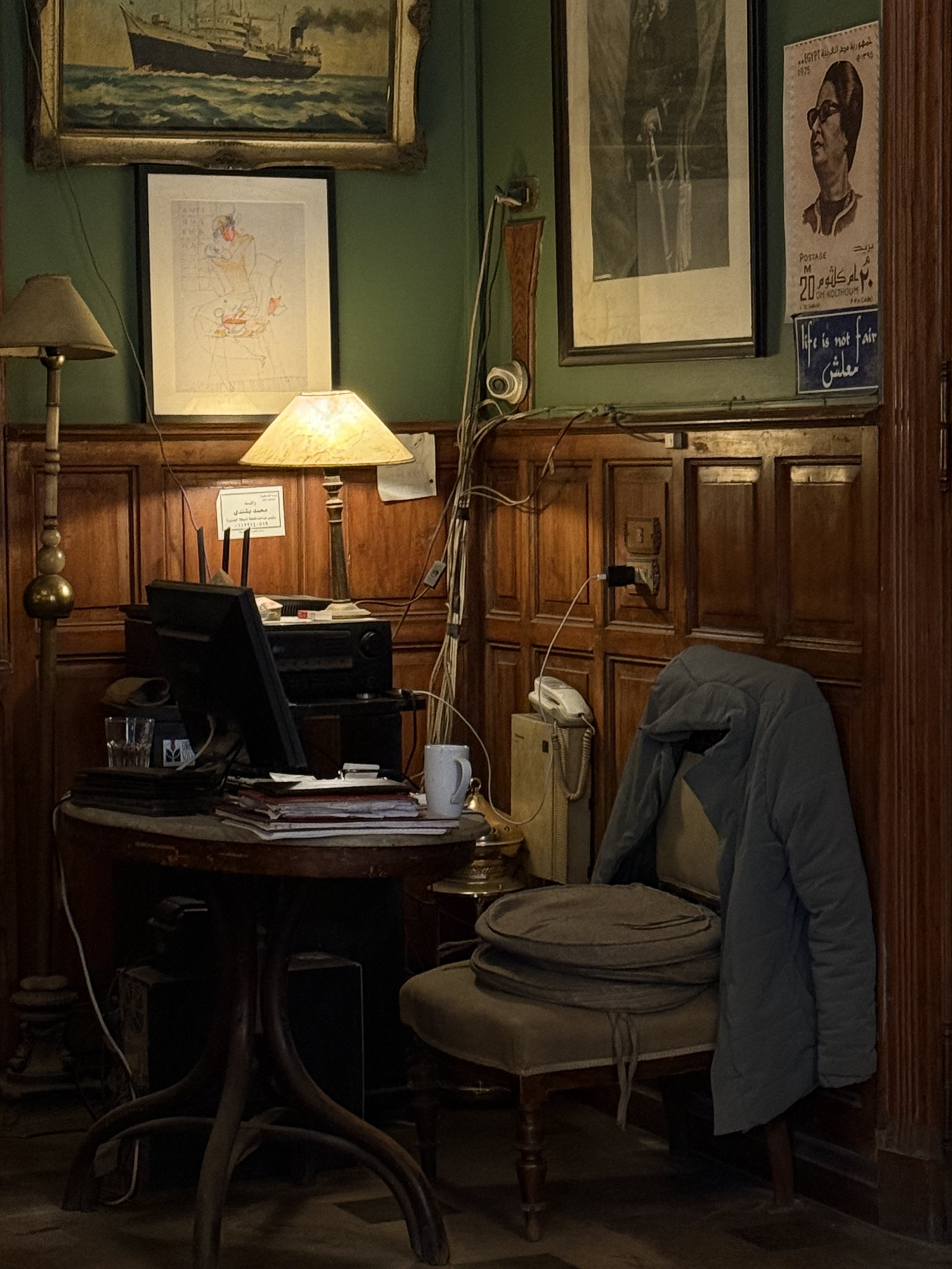
Café Riche was once one of Cairo’s great meeting places. And when I say everyone came here, I mean everyone: intellectuals, journalists, politicians and people quietly planning revolutions.
Portraits of many of the café’s former regulars still hang on the walls, preserving the memory of its celebrated past. Today, however, the place feels as though it is living on borrowed time. Cairo is changing, and Café Riche is changing with it.
Go for a cup of peppermint tea and allow yourself to soak up the history, but stay away from the food.
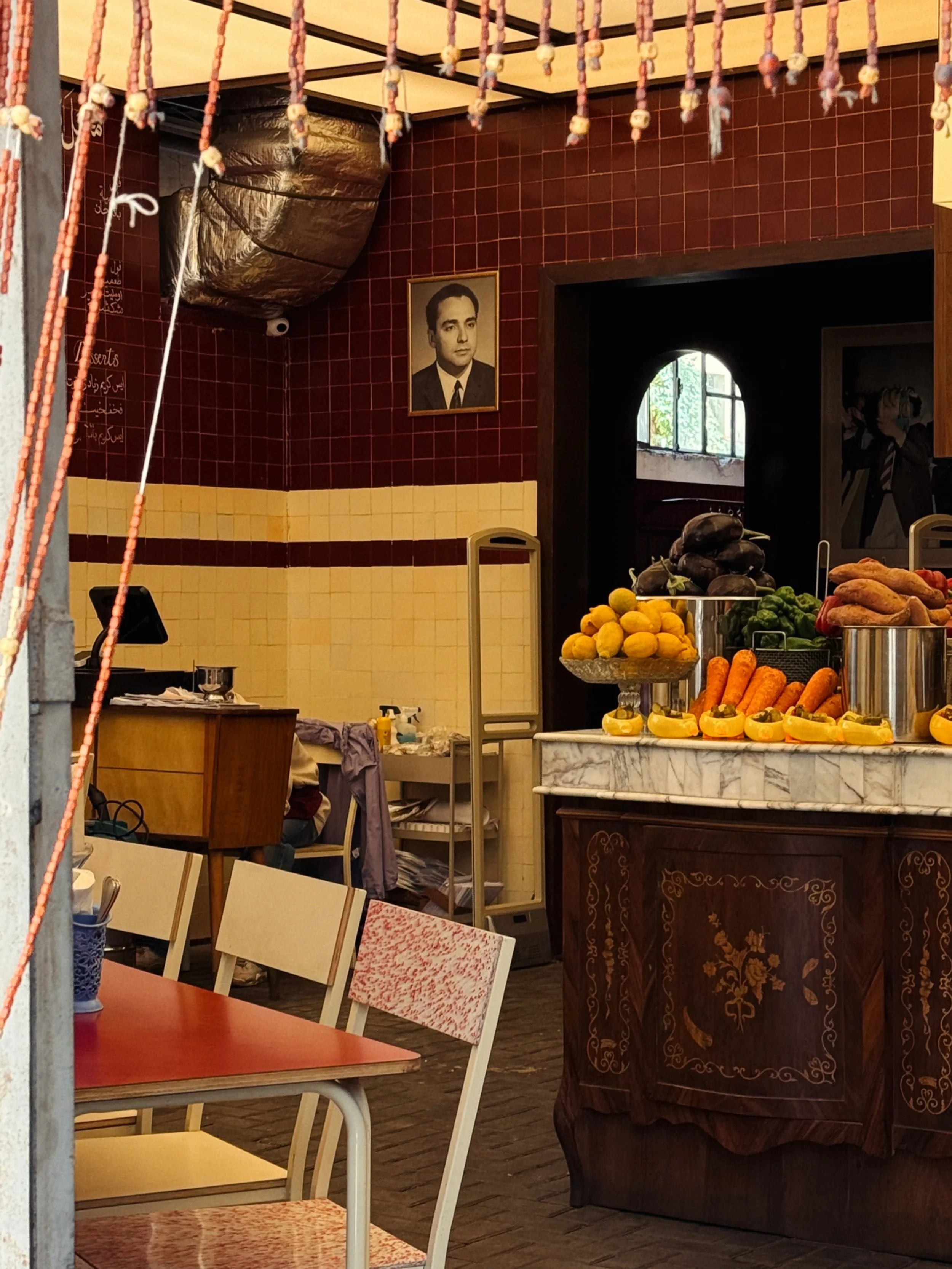
Address: 5 Hussein Pasha El Memary Street, Marouf, Qasr El Nil, Downtown Cairo
Tucked away in downtown Cairo, 6901 is a relaxed combination of restaurant, boutique and record shop and one of my favourite places to spend an afternoon.
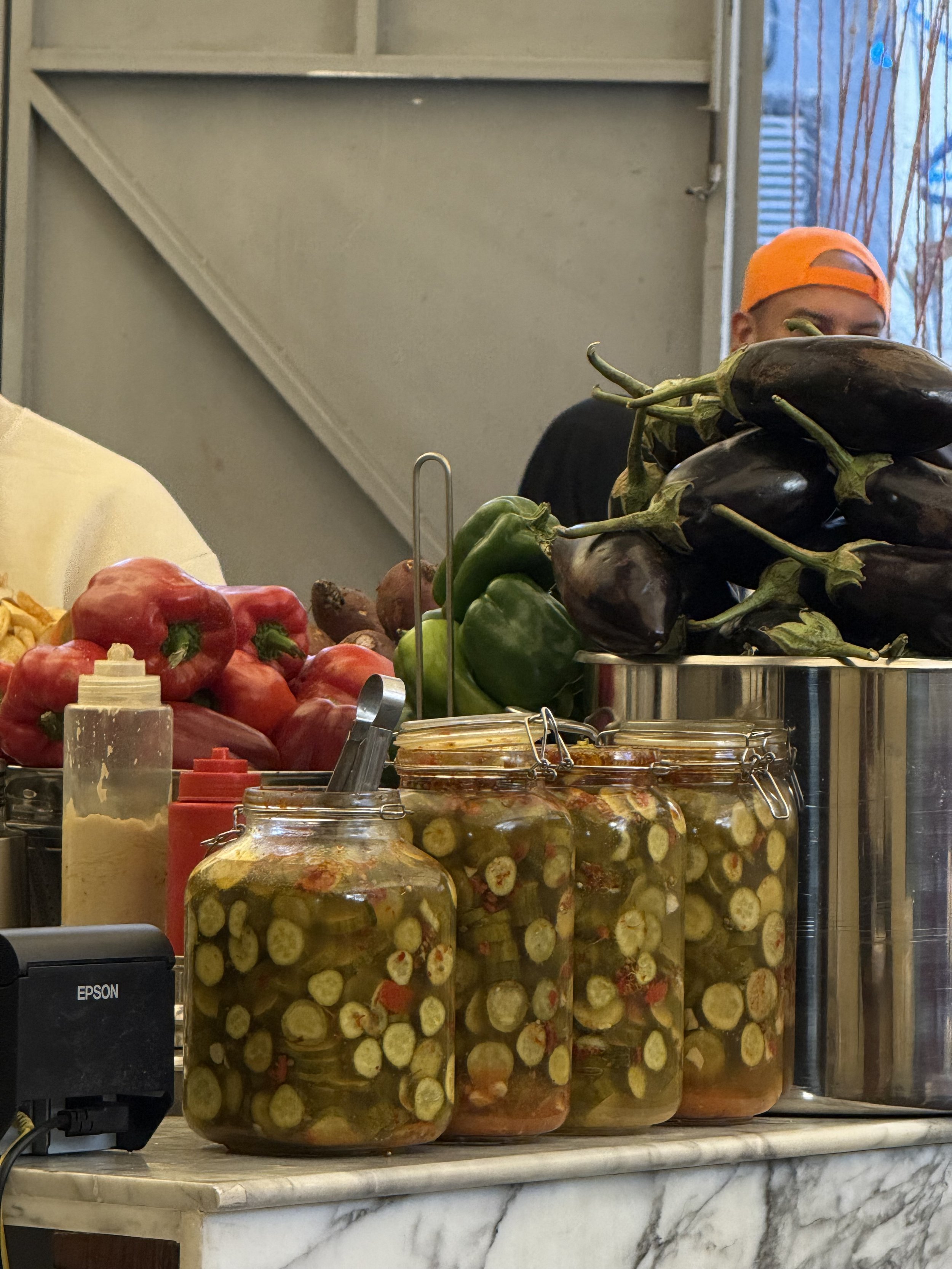
The menu offers a contemporary take on Egyptian street food, accompanied by freshly pressed juices and properly made espresso.
The space has undergone a remarkable transformation. What was once a dark and neglected room occupied by the neighbourhood makwagy, a traditional clothes presser, has become a creative meeting place where food, fashion and music come together.
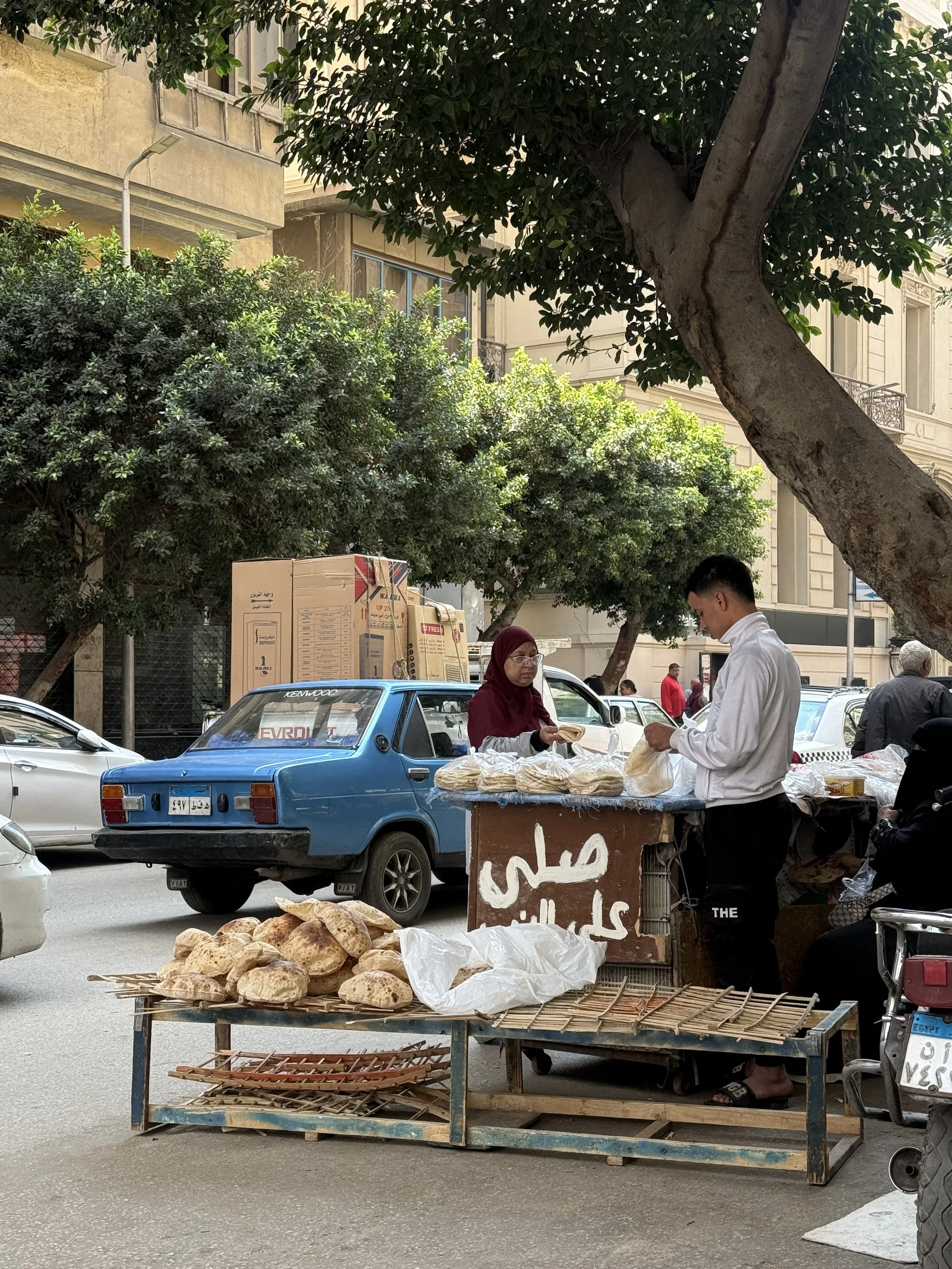
Alongside Egyptian dishes made with bread sourced from a nearby bakery, you will find vinyl records and a carefully curated selection of clothing for both men and women.
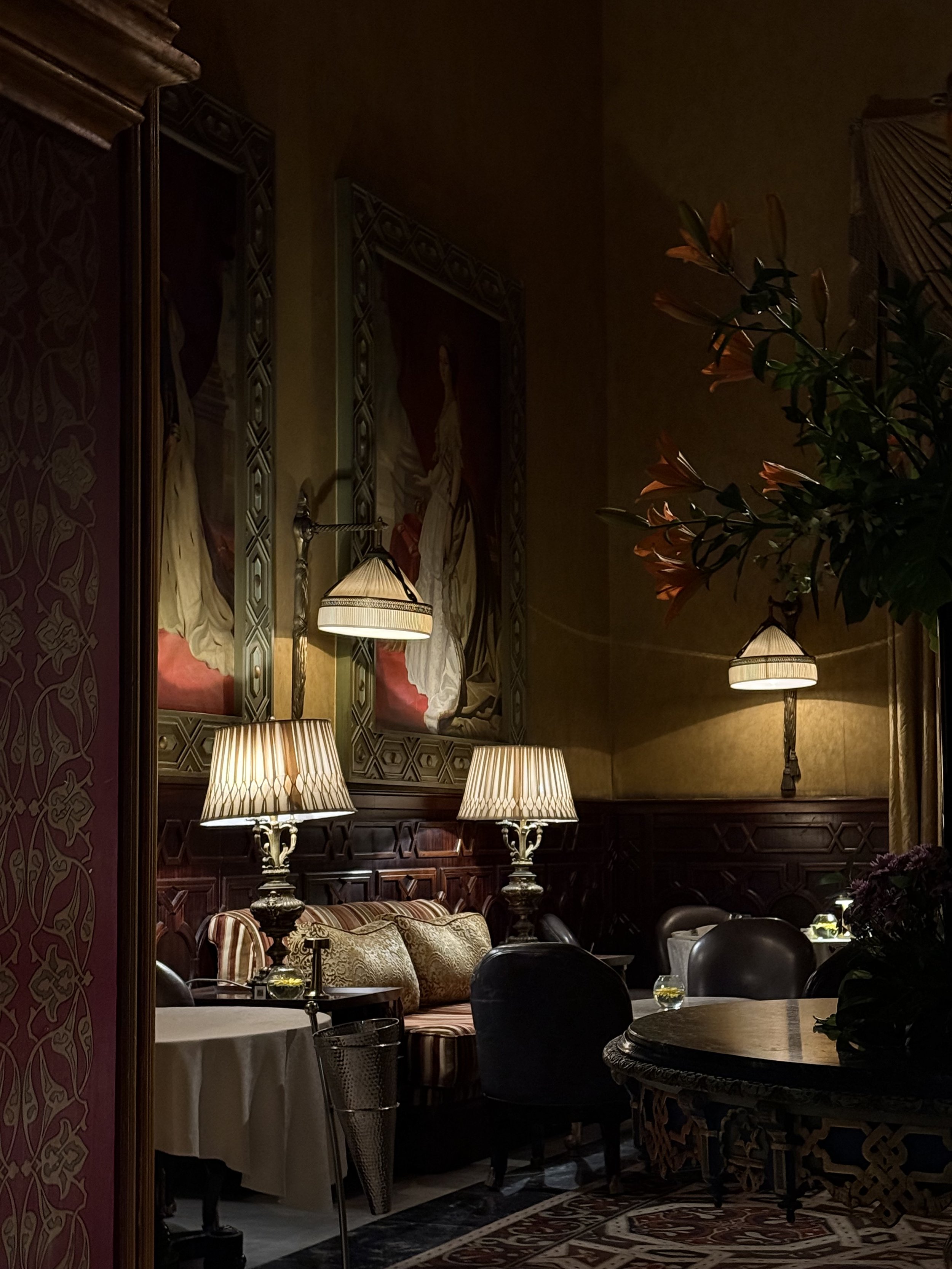
Address: Saraya Gallery, Cairo Marriott Hotel, 16 Saray El Gezira Street, Zamalek, Cairo 11211, Egypt.
At the restaurant The Saraya Gallery, you dine in one of Cairo's most historic buildings.
Hidden within the Cairo Marriott Hotel in Zamalek, the restaurant occupies part of the former Gezirah Palace, created by Khedive Ismail for the celebrations marking the opening of the Suez Canal in 1869. Designed with French grandeur in mind, the palace welcomed Emperor Napoleon III and Empress Eugénie as honoured guests.
Today, the restaurant blends its heritage with timeless elegance. Rich fabrics, Oriental lanterns and polished marble create an intimate setting. For an extra touch of the past, choose a table near the portraits of the imperial couple and enjoy an evening surrounded by echoes of Egypt's royal era - it’s a bit over the top and very charming.
Every now and then it's nice to try something different, and the Saraya Gallery is a nice place to visit if you’ve had your fair share of Egyptian food. The drinks are also 10/10.
Shop:

Much of Khan el-Khalili is filled with tourist traps and mass-produced souvenirs, but hidden among its narrow alleys are still a few original and remarkable shops.
One of them is the beautiful old silver shop Zaki Boutros & Fouad Silver. It is the kind of place where you find anything your heart desires. Displayed inside is even a old thank-you note from Prince Henrik of Denmark, praising the shopkeeper for his excellent service and the quality of his work.
The area is also home to several wonderful antique shops. They are easy to miss, often concealed behind dusty windows and unassuming façades, so look carefully as you wander through the streets.
For a simple and beautiful souvenir, visit one of Khan el-Khalili’s traditional glass shops. The colourful pieces are locally made and surprisingly affordable, with everything from drinking glasses and water pitchers to delicate camel-shaped Christmas ornaments.
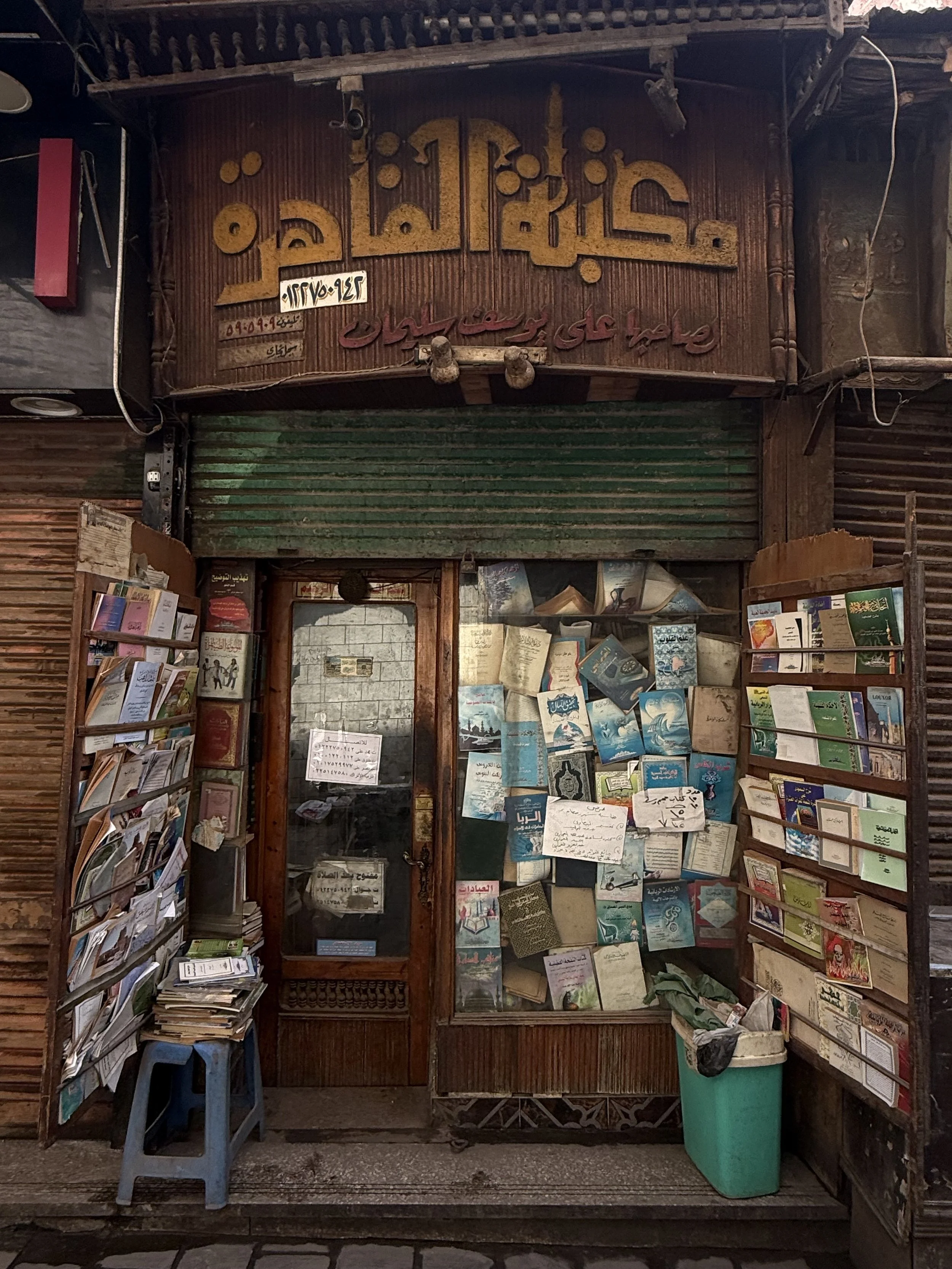
I always recommend bringing a good book to accompany the journey. These are some of my favourite reads for a trip to Egypt.
Konstantinos Cavafy – The City (and Selected Poems)
The Greek-Egyptian poet Konstantinos Cavafy's The City is one of my favourite poems of all time. I always bring a collection of his poetry when I travel to Cairo, it captures the spirit of the city like no other.
You said: “I’ll go to another country, go to another shore,
find another city better than this one.
Whatever I try to do is fated to turn out wrong
and my heart lies buried like something dead.
How long can I let my mind moulder in this place?
Wherever I turn, wherever I look,
I see the black ruins of my life, here,
where I’ve spent so many years, wasted them, destroyed them totally.”
You won’t find a new country, won’t find another shore.
This city will always pursue you.
You’ll walk the same streets, grow old
in the same neighborhoods, turn gray in these same houses.
You’ll always end up in this city. Don’t hope for things elsewhere:
there’s no ship for you, there’s no road.
Now that you’ve wasted your life here, in this small corner,
you’ve destroyed it everywhere in the world.
The City, 1910 by C.P. CAVAFY
Translated by Edmund Keeley and Philip Sherrard
Michael Ondaatje – The English Patient
One of my all-time favourite novels. Set against the vast landscapes of Egypt and the Libyan Desert, it is an unforgettable story of love, memory, and loss, inspired in part by the real-life explorer Count László Almásy.
Alaa Al Aswany – The Republic of False Truths (I Ran to the Nile)
A powerful novel about the 2011 Egyptian Revolution, told through the lives of ordinary people in Tahrir Square. I recommend Al Aswany's work to anyone wanting to better understand contemporary Egypt and its complex political history.
Thorkild Hansen – Arabia Felix
A gripping account of the ill-fated Danish expedition to Arabia in the 18th century. Following the explorers through Turkey, Egypt, and Yemen, Hansen transforms a remarkable historical expedition into a compelling tale of ambition, endurance, and human frailty. Blending meticulous research with beautiful prose, Arabia Felix is as much an adventure story as it is a meditation on the price of exploration.