

Paris has no shortage of cultural institutions, but knowing which ones are worth returning to is another matter.
For curator, writer and editor Vere van Gool, the city is shaped as much by its smaller foundations, galleries and exhibition spaces as by its major museums. Having held curatorial and editorial roles at the New Museum in New York and Mudam Luxembourg, and taught at Harvard University, her work has taken her through many corners of the international art world.
For Are Still Here, Vere shares the cultural spaces she returns to in Paris. From established institutions to places that offer a different way of experiencing art, architecture and the city itself.
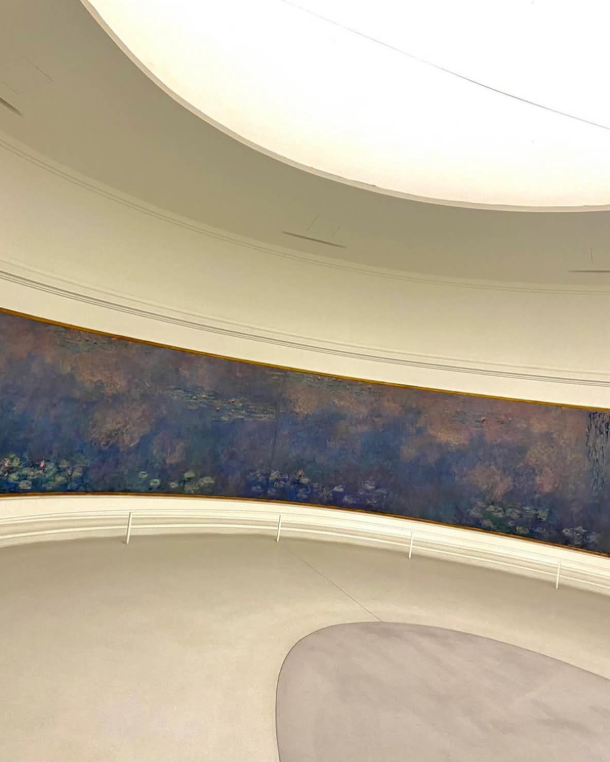
The Orangerie is best known for Monet’s Nymphéas, eight large water-lily paintings displayed across two oval rooms designed specifically for them. Monet offered the works to France after the 1918 Armistice as a monument to peace and continued working on them until his death.
The building dates back to 1852, when it was built as a winter greenhouse for the orange trees of the Tuileries Garden. Downstairs is the Walter-Guillaume collection, with works by Cézanne, Renoir, Soutine and Modigliani. It’s a relatively small museum and one of the places in Paris that is always worth returning to.
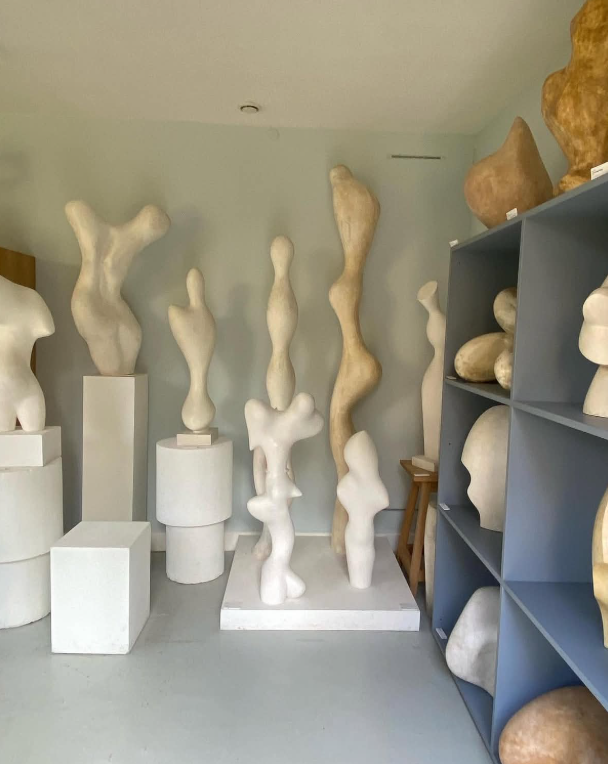
Atelier Jean Arp (Fondation Arp)
On the edge of the Meudon forest in Clamart is the former home and studio of Jean Arp and Sophie Taeuber. Taeuber designed the house in the late 1920s, and the couple lived and worked here from around 1929.
Today, the house remains much as they left it, bringing together Arp’s organic forms and Taeuber’s more geometric work. Seeing their work in the rooms where much of it was created also gives a different perspective on their relationship as artists, and particularly on Taeuber’s own influence and importance.
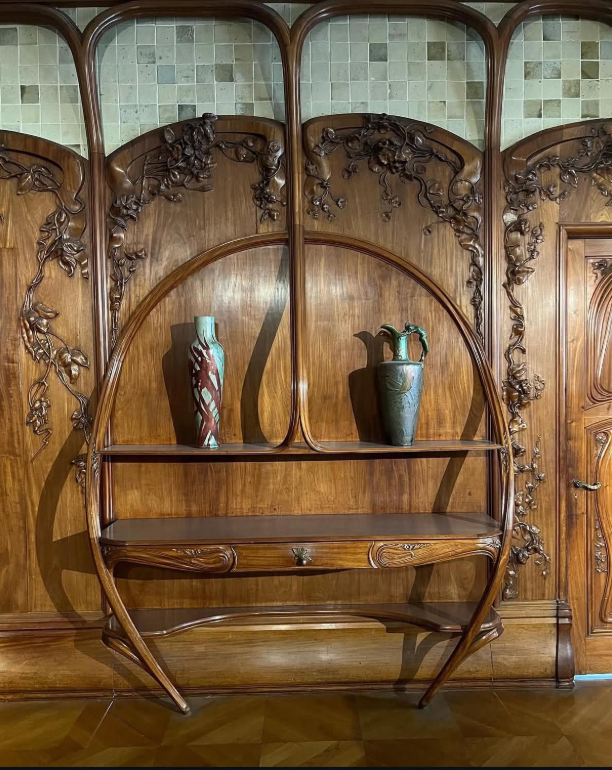
The Musée d’Orsay is housed in a former railway station built for the 1900 Paris Exposition. After narrowly avoiding demolition, the building reopened as a museum in 1986 and is now home to one of the best-known collections of Impressionist and Post-Impressionist art, including works by Monet, Manet and Van Gogh.
Beyond the collection, the building itself is worth paying attention to. The former station hotel remained open until 1973, and some of its original rooms still survive, including the grand Salle des Fêtes with its chandeliers, mirrors and gilded details. Upstairs, the huge station clock frames a view across Paris.
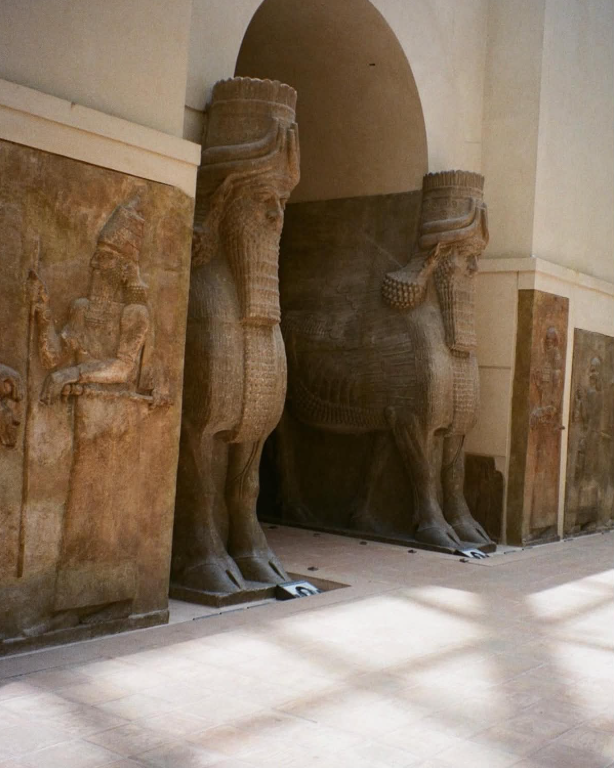
The Cour Khorsabad in the Louvre’s Richelieu wing is home to the monumental sculptures from the palace of Sargon II, built in the 8th century BC in what is now northern Iraq. Among them are the lamassu, enormous winged bulls with human heads that once guarded the entrances to the palace.
Look closely and you’ll notice that each has five legs. From the front they appear to be standing still, while from the side they seem to be walking forward.
The sculptures are now displayed in the Louvre’s glass-covered courtyards, where their scale becomes almost as impressive as the details carved into the stone. It’s an easy part of the museum to overlook, but one of the most memorable.
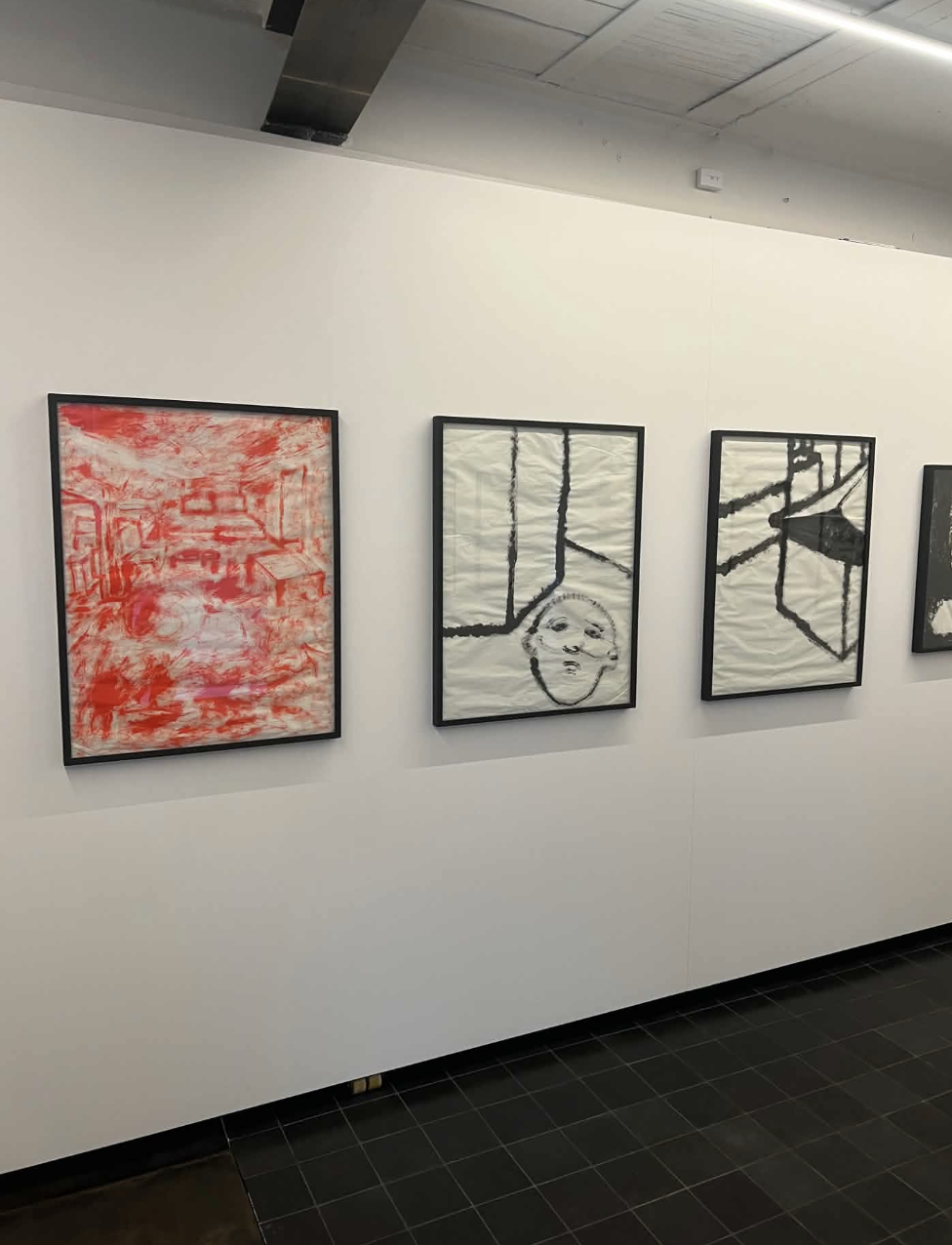
Tramps opened in Paris in late 2025 as the second location of the gallery founded by Parinaz Mogadassi on New York’s Lower East Side. Located on Rue d’Alexandrie, close to the Passage du Caire, the Paris space opened with an exhibition by Kai Althoff, an artist the gallery has worked with for more than a decade.
The programme brings together painting, drawing, photography, textiles and other forms, often presented in ways that make the exhibitions feel more like complete environments than traditional gallery shows.
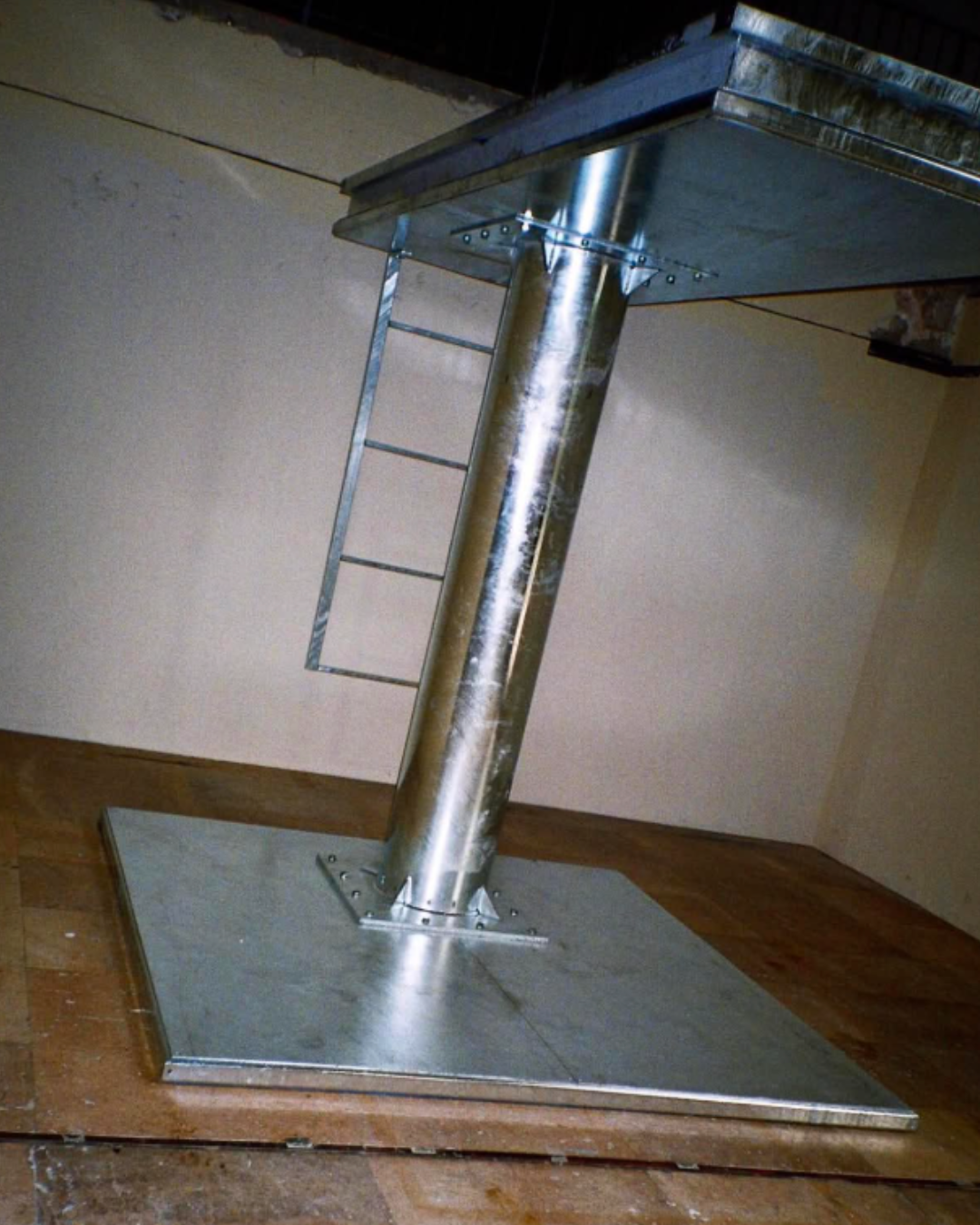
Palais de Tokyo is one of Paris’ largest spaces dedicated to contemporary art. Unlike most museums, it has no permanent collection, so the programme is constantly changing, with exhibitions created specifically for the building and its large, often raw spaces.
The current season, Normes Corps, runs until September 2026 and brings together artists exploring ideas around the body, vulnerability and social norms, including Pauline Curnier Jardin, whose work moves between film, installation, fiction and documentary.
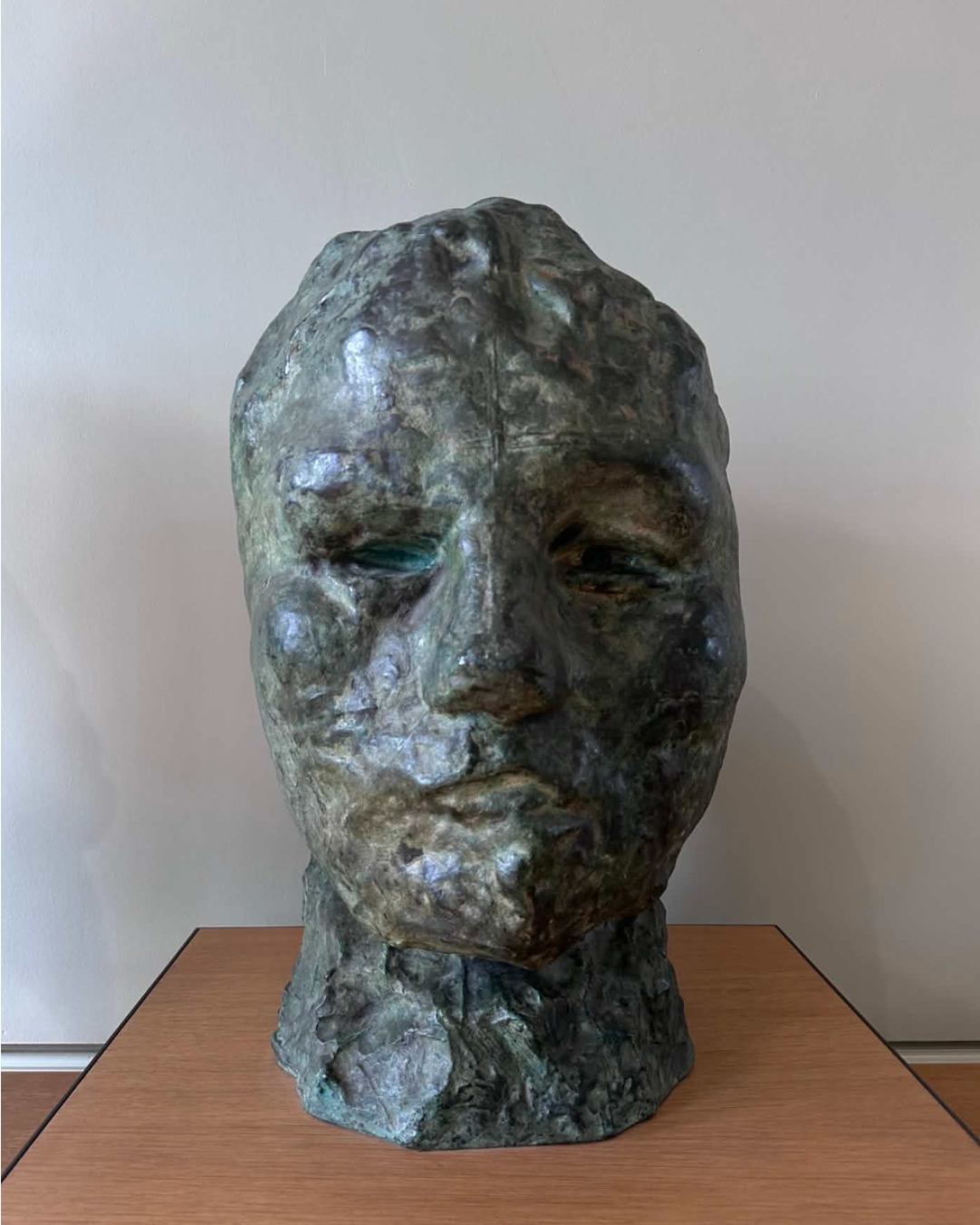
The Musée Rodin is housed in the Hôtel Biron, the 18th-century mansion where Auguste Rodin lived and worked during the final years of his life. His sculptures are shown throughout the house and gardens, including The Thinker, The Kiss and The Gates of Hell.
The museum also dedicates a room to Camille Claudel, the sculptor who worked closely with Rodin and was his student, collaborator and partner. Her work is an important reason to visit in its own right, and seeing the two artists together gives a fuller picture of their complicated personal and creative relationship. Claudel spent the final thirty years of her life in a psychiatric institution, and much of her work was only given wider recognition long after her death.
